
































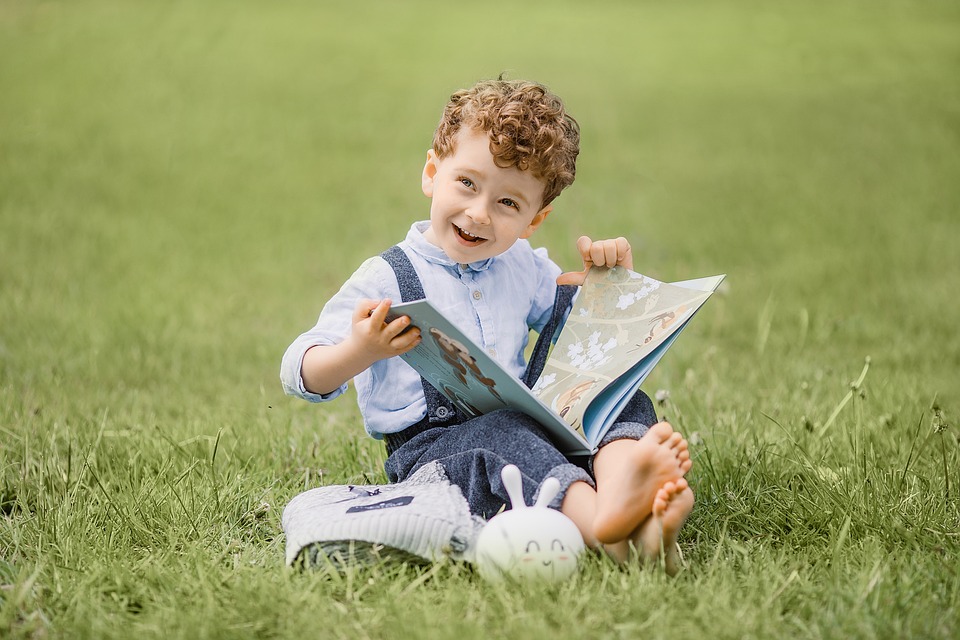
Parenting a gifted child can be both a rewarding and challenging experience. Gifted children have unique needs and abilities that require special attention and support to help them reach their full potential. In this article, we will explore strategies for nurturing brilliance in gifted children, addressing common questions and providing valuable insights for parents.
Understanding Giftedness
Giftedness is often defined as having above-average intelligence or talents in a specific area. Gifted children may demonstrate advanced cognitive abilities, creativity, and problem-solving skills at an early age. It is important for parents to understand that giftedness is not just about academic achievement, but also encompasses social and emotional development.
Common Characteristics of Gifted Children
Gifted children may exhibit the following characteristics:
- High level of curiosity and interest in learning
- Advanced vocabulary and verbal skills
- Ability to think abstractly and solve complex problems
- Sensitivity to others’ emotions and concerns
- Intense focus and passion for specific interests or hobbies
Challenges Faced by Gifted Children
While gifted children may excel in certain areas, they may also face challenges that can impact their well-being and development. Some common challenges experienced by gifted children include perfectionism, social isolation, boredom in traditional classroom settings, and heightened sensitivity to criticism and failure. It is important for parents to understand and address these challenges in a supportive and nurturing manner.
Strategies for Parenting Gifted Children
As a parent of a gifted child, it is important to provide the necessary support and guidance to help them thrive. Here are some strategies for nurturing brilliance in gifted children:
1. Encourage Curiosity and Exploration
Gifted children thrive on intellectual stimulation and novel experiences. Encourage your child to explore their interests, pursue their passions, and ask questions. Provide them with opportunities for hands-on learning, creative expression, and independent research. Support their curiosity and help them cultivate a love for learning.
2. Foster a Growth Mindset
Help your child develop a growth mindset by emphasizing the importance of effort, persistence, and resilience. Encourage them to view challenges as opportunities for growth and learning, rather than obstacles to be avoided. Teach them to embrace failure as a natural part of the learning process, and to see setbacks as opportunities for reflection and improvement.
3. Provide Enrichment Opportunities
Gifted children often benefit from enrichment activities that allow them to explore their interests in greater depth. Consider enrolling your child in advanced classes, extracurricular programs, or specialized workshops that cater to their unique talents and abilities. Encourage them to participate in competitions, projects, and research opportunities that challenge and inspire them.
4. Support Social and Emotional Development
Gifted children may struggle with social skills, emotional regulation, and peer relationships. Help your child develop healthy coping strategies, communication skills, and empathy. Encourage them to build positive relationships with peers, mentors, and role models who share their interests and values. Provide them with a safe and supportive environment where they can express themselves authentically and develop a sense of belonging.
5. Advocate for Academic Accommodations
If your child is struggling in a traditional classroom setting, consider advocating for academic accommodations that meet their unique needs. Work with teachers, administrators, and school counselors to develop a personalized learning plan that challenges and supports your child. Consider options such as acceleration, enrichment, independent study, or dual enrollment in advanced courses.
6. Support Emotional Development
Gifted children may experience intense emotions and sensitivities. It is important to provide a safe and supportive environment where your child can express their feelings and thoughts. Help them develop coping strategies and emotional intelligence skills to navigate social interactions and relationships.
7. Foster Creativity and Innovation
Gifted children often have a strong creative streak and love to express themselves through art, music, writing, or other forms of self-expression. Encourage your child to explore their creative talents and provide them with opportunities to showcase their work and ideas.
8. Set Realistic Expectations
It is important to set realistic expectations for your gifted child and support them in achieving their goals. Avoid putting undue pressure on them to excel academically or socially, and instead focus on their individual growth and development. Celebrate their achievements and encourage a growth mindset to help them overcome challenges and setbacks.
Addressing Common Questions

As a parent of a gifted child, you may have questions about how to best support and nurture their abilities. Here are some common questions and answers to help you navigate the challenges of parenting a gifted child:
How can I help my gifted child succeed in school?
Provide your child with challenging and engaging learning opportunities that cater to their interests and abilities. Work with teachers and school administrators to create a personalized education plan that meets your child’s needs. Encourage your child to take on leadership roles, participate in extracurricular activities, and seek out advanced coursework or enrichment programs.
What should I do if my gifted child is struggling socially?
Gifted children may face social challenges due to their advanced cognitive abilities or intense interests. Encourage your child to develop social skills through playdates, group activities, and community events. Help them build friendships and connections with peers who share their interests and values. Consider seeking support from a counselor or therapist if your child is experiencing social anxiety or isolation.
How can I support my gifted child’s emotional well-being?
Gifted children may experience heightened emotions, perfectionism, and existential concerns. Create a supportive and nurturing environment where your child feels safe to express their feelings and thoughts. Encourage open communication and provide opportunities for self-reflection and self-care. Help your child develop coping strategies and resilience to navigate the ups and downs of life.
How can I identify if my child is gifted?
Giftedness can show up in various forms beyond academics. Some common signs include:
-
Early Development: Speaking, reading, or walking earlier than peers.
-
Intense Curiosity: Always asking questions and showing deep interest in topics.
-
Advanced Problem Solving: Solving puzzles or thinking abstractly well beyond their age level.
-
Strong Memory: Easily remembers facts, events, or instructions.
-
Emotional Sensitivity: Feels things deeply, shows empathy early, or has a strong sense of justice.
-
Creative Thinking: Offers unique ideas, enjoys storytelling, or invents complex games.
💡 Assessment Tip: A formal evaluation by a psychologist or gifted education specialist (including IQ and achievement tests) can help confirm giftedness.
What are the benefits of nurturing giftedness in children?
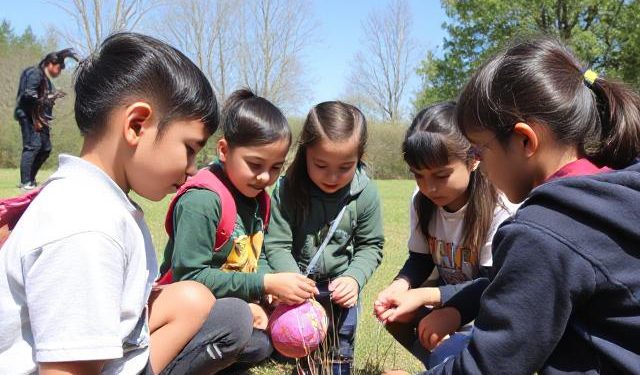
When giftedness is nurtured, children are more likely to:
-
Reach their full potential in academics, creativity, or leadership.
-
Develop confidence and self-identity.
-
Stay motivated and engaged in learning.
-
Form positive peer relationships by finding others with shared interests.
-
Avoid underachievement and behavioral issues that can stem from boredom or frustration.
🔍 Ignoring giftedness can lead to disengagement, anxiety, or underperformance, especially if the child feels misunderstood.
How can I support my child’s social and emotional development?
Gifted children often struggle socially or emotionally because they feel “different.” Here’s how you can help:
-
Encourage emotional expression: Help them label and process their feelings.
-
Promote balance: Ensure time for fun, play, and social interaction—not just academics.
-
Teach coping skills: Support stress management and resilience.
-
Find peer groups: Enroll them in clubs, online communities, or gifted programs to connect with like-minded kids.
-
Model healthy behavior: Show that mistakes are part of learning and growth.
🧠 Gifted children may have asynchronous development—cognitive abilities ahead of their emotional maturity—so they may need more guidance in navigating friendships and emotions.
What are some common myths and misconceptions about gifted children?
Here are a few you may have heard:
| Myth | Truth |
|---|---|
| Gifted kids don’t need help—they’ll succeed anyway. | They need support to thrive emotionally, socially, and intellectually. |
| Gifted = good at everything. | Many are uneven in abilities (e.g., great at math but struggle with writing or social skills). |
| Gifted kids are always well-behaved. | They can be intense, stubborn, or bored—leading to behavior challenges. |
| All gifted children are high achievers. | Not always—some underachieve or hide their abilities to fit in. |
How can I help my child cope with perfectionism and high expectations?
Perfectionism is common among gifted children. Here’s how to support them:
-
Emphasize effort over outcomes: Praise persistence and growth, not just success.
-
Model mistakes: Share your own failures and how you overcame them.
-
Set realistic expectations: Help them understand that no one excels at everything.
-
Teach self-compassion: Help them speak kindly to themselves when they make mistakes.
-
Limit over-scheduling: Avoid pushing them into too many activities or constantly raising the bar.
💬 Let them know it’s okay to try, fail, and grow. This helps prevent burnout and anxiety.
Conclusion
Nurturing brilliance in gifted children requires patience, understanding, and support from parents and caregivers. By providing a stimulating and enriching environment, setting realistic expectations, and addressing their unique needs and abilities, you can help your child reach their full potential and thrive in all aspects of life. Remember to celebrate their achievements, encourage their passions, and foster their creativity and innovation to help them become the best version of themselves.
Stay connected with us for more insights and tips on parenting gifted children!