




























[ad_1]
Ensuring Your Newborn’s Safety: Expert Tips and Must-Know Precautions
Welcoming a new bundle of joy into the world is an incredibly exciting and precious time for any parent. However, with the joy of a new arrival comes the responsibility of ensuring your newborn’s safety and well-being. From creating a safe sleep environment to baby-proofing your home, there are a number of important precautions that every parent should take to protect their little one. In this article, we’ll share expert tips and must-know precautions to help you keep your newborn safe and sound.
Creating a Safe Sleep Environment
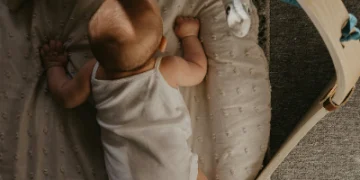
One of the most important things you can do to ensure your newborn’s safety is to create a safe sleep environment. According to the American Academy of Pediatrics (AAP), the safest place for your baby to sleep is on their back, in a crib or bassinet, with a firm mattress and no loose bedding or soft toys. Here are some additional tips to help create a safe sleep environment for your newborn:
- Use a sleep sack or wearable blanket instead of loose blankets
- Avoid crib bumpers, which can pose a suffocation hazard
- Keep the room at a comfortable temperature to prevent overheating
- Never place your baby to sleep on a soft surface, such as a sofa or armchair
Baby-Proofing Your Home
As your newborn grows and becomes more mobile, it’s important to baby-proof your home to prevent accidents and injuries. Start by installing safety gates at the top and bottom of stairs, securing furniture to the wall to prevent tipping, and covering electrical outlets with safety plugs. Additionally, be sure to keep small objects out of reach, as these can pose a choking hazard to young children. Here are some other important precautions to take when baby-proofing your home:
- Secure cabinets and drawers with child-proof locks
- Keep cords and curtains out of reach to prevent strangulation
- Install window guards to prevent falls
- Use doorstops or door holders to prevent pinched fingers
Safe Handling and Feeding Practices

In addition to creating a safe sleep environment and baby-proofing your home, it’s important to practice safe handling and feeding practices with your newborn. When handling your baby, be sure to support their head and neck at all times, as newborns have weak neck muscles and cannot support their heads on their own. When it comes to feeding, whether you’re breastfeeding or bottle-feeding, always hold your baby upright and make sure they are positioned correctly to prevent choking or aspiration. Here are some additional tips for safe handling and feeding:
- Wash your hands before handling your baby
- Never leave your baby unattended on a changing table or high surface
- Follow safe sleep guidelines to reduce the risk of Sudden Infant Death Syndrome (SIDS)
- Consult with a lactation consultant or pediatrician for feeding advice
Identifying and Responding to Signs of Illness
Another important aspect of ensuring your newborn’s safety is being able to identify and respond to signs of illness. Newborns are particularly vulnerable to infections and illnesses, so it’s crucial to be vigilant and seek medical attention if you notice any concerning symptoms. Some common signs of illness in newborns include fever, difficulty breathing, poor feeding, and unusual crying or behavior. If you notice any of these symptoms, contact your pediatrician immediately. Here are some additional tips for identifying and responding to signs of illness in your newborn:
- Monitor your baby’s temperature regularly
- Keep track of your baby’s feeding and diaper habits
- Trust your instincts and seek medical help if you have concerns
- Follow your pediatrician’s advice for routine check-ups and vaccinations
Conclusion
Ensuring your newborn’s safety is a top priority for every parent. By following these expert tips and must-know precautions, you can create a safe environment for your little one to thrive and grow. From creating a safe sleep environment to baby-proofing your home, practicing safe handling and feeding, and being vigilant for signs of illness, there are a number of important steps you can take to protect your newborn. Remember to always consult with your pediatrician if you have any concerns about your baby’s health or safety. With proper precautions and care, you can give your newborn the best start in life.
[ad_2]